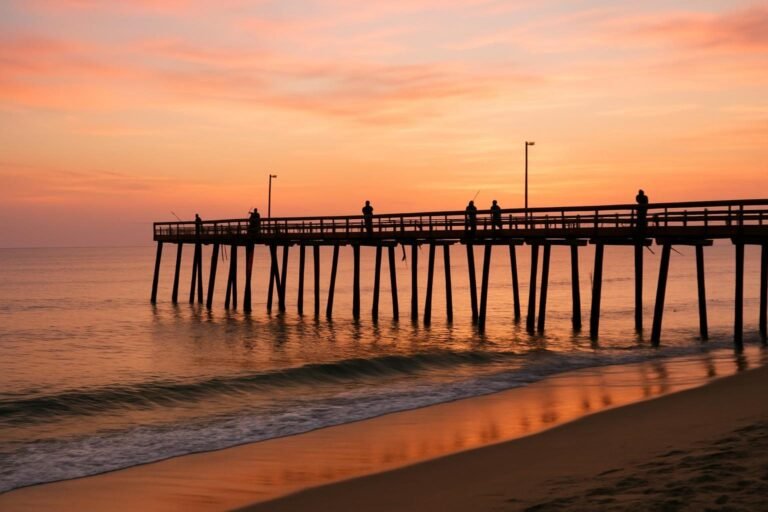
Quick answer: Moving to Carteret County, NC means choosing among small coastal towns on the mainland, Bogue Banks and Down East, each with its own price point, pace and flood risk. Expect a mix of retirees, military families and working watermen, higher insurance bills than inland North Carolina, and a calendar shaped by summer crowds and hurricane season. Pick your town carefully, check flood zones before you make an offer, and use the checklist at the end to get settled.
Key takeaways
- Where you live matters more than anything: the island, the mainland and Down East feel like different places.
- Insurance (wind and flood) is a real line item. Get quotes before you fall in love with a house.
- Jobs lean toward healthcare, government, the port, tourism, construction and the water, with the military nearby.
- Summer traffic on US-70 and the bridges is the trade-off for beach life.
- Hurricane season is part of life here. Plan for it the week you arrive, not the week a storm forms.
Carteret County at a Glance
Carteret County sits on North Carolina’s southern Outer Banks, with Bogue Sound and Core Sound on either side of a long string of barrier islands, marshes and fishing villages. The county seat is Beaufort. Morehead City is the commercial hub, with the Port of Morehead City, the hospital and most of the big-box shopping.
The county’s rhythm is seasonal. Summer brings visitors, boat traffic and packed beach parking. Fall and spring are the favorite seasons of many locals, and winter is quiet, with some seasonal restaurants and shops reducing hours or closing for a stretch.
For a month-by-month feel, see our guide to Crystal Coast weather by month.
Towns Overview: Where to Live
The best town depends on your budget, your commute and how you want to spend a Saturday. Here is how the main areas compare in general terms.
| Area | Feel | Good fit for |
|---|---|---|
| Morehead City | Working waterfront town, central, most services | Families, anyone who wants shopping, healthcare and restaurants close by |
| Beaufort | Historic, walkable, boat-oriented | People who want character, a small downtown and the water |
| Atlantic Beach, Pine Knoll Shores, Indian Beach, Salter Path, Emerald Isle | Barrier island, beach lifestyle, seasonal crowds | Retirees, second-home owners, beach-first households |
| Cape Carteret, Cedar Point, Peletier | Western county, residential, close to Emerald Isle | Commuters toward Jacksonville, buyers wanting more space |
| Newport | Inland-leaning, more affordable, easy access to US-70 | Budget-minded families and Cherry Point commuters |
| Down East (Harkers Island, Marshallberg, Atlantic, Sea Level, Davis, Cedar Island), Gloucester | Fishing villages, quiet, remote, Core Sound views | Boaters, anglers, people who want peace and distance |
Town notes worth knowing
- Beaufort: Charming and busy in summer, with limited parking downtown. Read living in Beaufort, NC before you decide.
- Morehead City: The most practical base. Our Morehead City neighborhoods guide goes deeper.
- Emerald Isle: A true year-round beach town, but one with quiet winters and heavy summer traffic. See Emerald Isle pros and cons.
- Cape Carteret and Newport: We are building guides to living in Cape Carteret and living in Newport.
- Down East: Long drives, few services, strong community. More in our upcoming Down East Carteret County guide.
For a broader comparison, browse our Towns & Neighborhoods hub or the upcoming best places to live in Carteret County, NC guide.
Housing: What to Expect
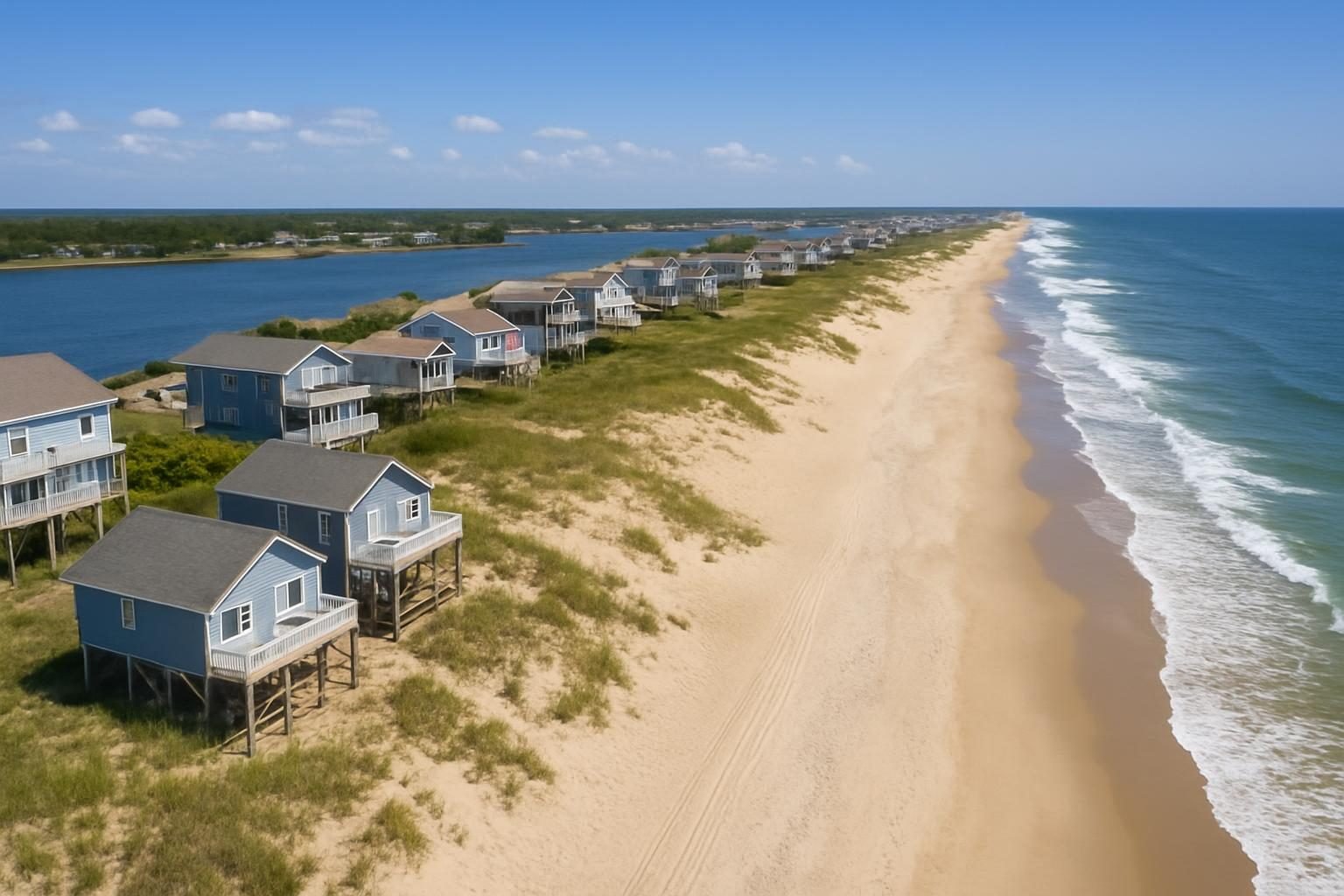
Housing here ranges from older mainland ranches and 1970s-era neighborhoods to island condos, raised beach cottages and waterfront homes with boat docks. Prices tend to climb as you get closer to the water, and they climb faster on the islands and in Beaufort’s historic core.
- Mainland (Newport, Morehead City inland, Cape Carteret): Generally the more affordable end of the county, with more traditional subdivisions.
- Bogue Banks: Premium prices, condos and HOA fees, and wind and flood exposure.
- Down East: Often modest homes and large water-view lots, but fewer listings and longer drives to everything.
Questions to ask before you buy
- What FEMA flood zone is the property in, and does it have an elevation certificate?
- How old is the roof, and how has it handled past storms?
- Has the crawl space or foundation shown moisture issues?
- What do wind, flood and homeowner’s policies cost for this exact address?
- Is there an HOA, and what do the dues cover?
Coastal home upkeep is its own category. Salt air is hard on equipment, and moisture is a constant. We cover this in our upcoming guides on salt air and HVAC corrosion and crawl space moisture. Our Home & Property hub collects practical advice for owners.
Get an insurance quote on the specific address before you make an offer, not after.
Cost of Living
Carteret County is generally more expensive than much of eastern North Carolina and less expensive than many major coastal metros. Housing and insurance are the biggest drivers. Groceries, utilities and fuel are close to typical for the region, and fresh local seafood can be a bargain at the dock or market compared with inland stores.
| Category | What to expect |
|---|---|
| Housing | Highest cost. Varies widely by town and by distance from the water. |
| Insurance | Wind and flood can add significantly to monthly housing costs, especially near the water. |
| Utilities | Summer cooling bills can be high. Older homes and crawl spaces matter. |
| Food | Local seafood and produce are a plus. See farmers markets in Carteret County. |
| Transportation | You will drive. Fuel and bridge or highway traffic are part of the budget and the schedule. |
Check current numbers with local lenders, insurers and utilities, since costs shift year to year. We are also working on a dedicated cost of living in Carteret County breakdown.
Jobs and Local Economy
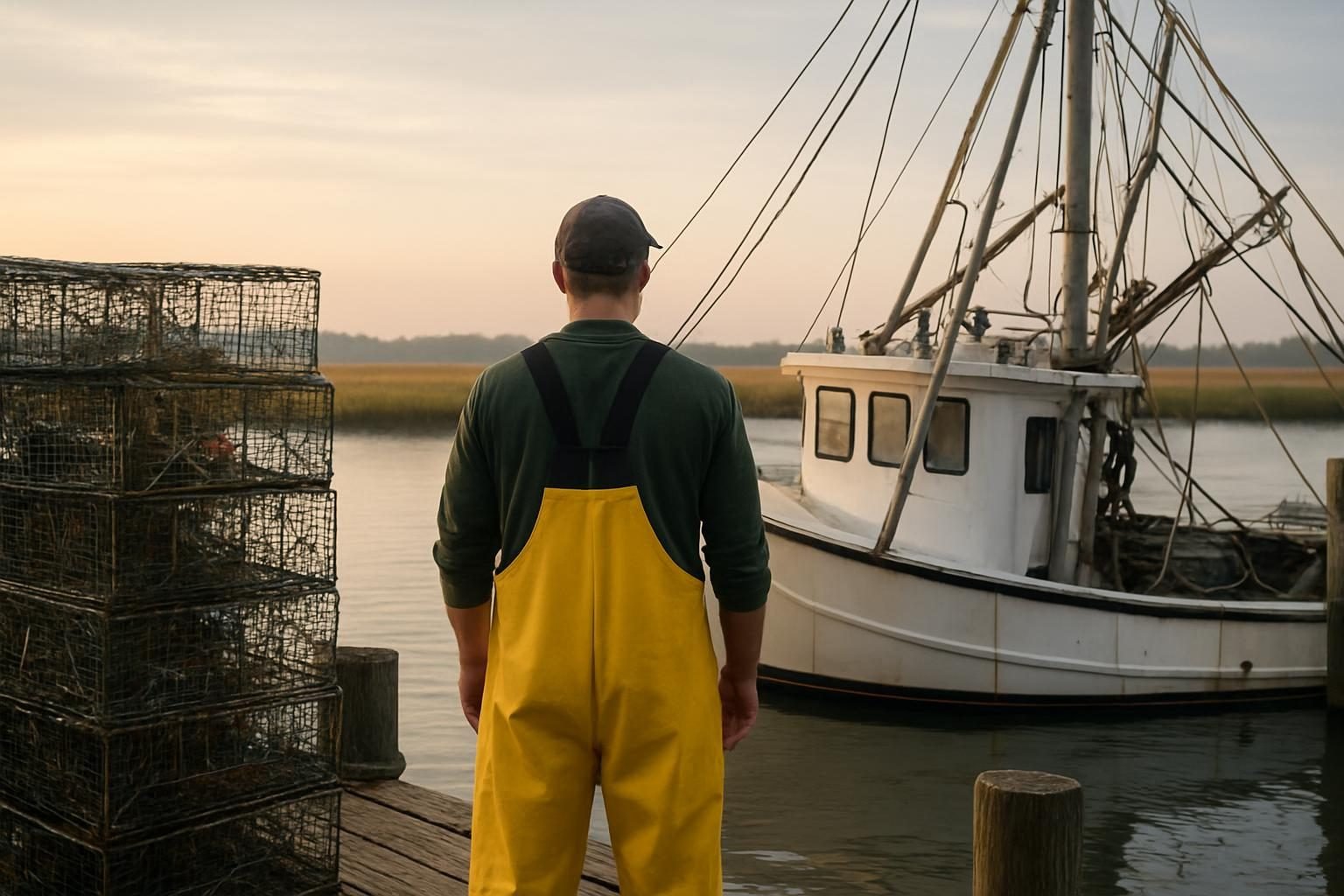
The local economy is anchored by healthcare, local and state government, schools, the Port of Morehead City, construction, marine trades, commercial and recreational fishing, retail and hospitality. Tourism drives a lot of seasonal hiring.
- Year-round work: Healthcare, schools, government, trades and the port tend to be steadier than seasonal tourism jobs.
- Seasonal work: Restaurants, rentals, charter boats and beach businesses ramp up in summer and slow in winter.
- Remote work: Increasingly common, but confirm internet options at the specific address, especially Down East.
- Commuting: Some residents drive to nearby military installations or other towns, which is a long drive in summer traffic.
Military Families
MCAS Cherry Point and Camp Lejeune are both within reach, and many military households choose Carteret County for the coast, the schools and the lifestyle. The trade-off is commute time, which depends heavily on where you land and the time of day.
Newport, Morehead City and Cape Carteret are common choices depending on which base you work at. For the details, see our upcoming guide to living in Carteret County near Cherry Point.
Local tip: Drive your actual commute at your actual shift time, on a weekday and again on a summer weekend, before you sign a lease or contract.
Schools
Public schools are run by the Carteret County school system. Assignment depends on your address, so confirm zoning before you buy or rent. There are also private and charter options, and community college and university programs are available within a reasonable drive.
- Verify school assignment with the district, not a listing.
- Visit campuses and ask about enrollment steps, immunization records and transfer paperwork.
- Check current ratings and reports through official North Carolina education sources.
Watch for our upcoming guide to Carteret County schools.
Healthcare
Morehead City is the center of local healthcare, with a hospital, specialists and urgent care clinics. Beaufort and other towns have clinics and practices. For specialized care, some residents travel to larger regional medical centers.
If you are retiring, confirm that your doctors, Medicare plan and specialists are accessible before you commit. Our upcoming guide to retiring on the Crystal Coast covers this in more depth.
Plan your hurricane evacuation route and your insurance before you unpack the last box.
Weather, Storms and Flood Risk
The Crystal Coast has mild winters, hot humid summers and a long, pleasant shoulder season. Hurricane season runs June through November, with the peak in late summer and early fall. Even tropical storms can bring flooding, wind damage and power outages.
- Know your flood zone: Check FEMA maps and ask for an elevation certificate.
- Know your evacuation route: Bridges and US-70 can back up fast.
- Prepare early: Supplies, documents, shutters, and a plan for pets and boats.
We are building guides to hurricane season in Carteret County and a hurricane prep checklist for your home. For official forecasts and storm information, use the National Weather Service Newport/Morehead City office.
Insurance
Insurance deserves its own conversation. In coastal areas, homeowner’s policies often exclude flood and sometimes carry separate wind or hurricane deductibles. Flood insurance is a separate policy.
| Coverage | What to confirm |
|---|---|
| Homeowner’s | Wind and hurricane deductible, roof age requirements, what is excluded |
| Flood | Coverage limits, flood zone rating and waiting periods |
| Wind or windstorm | Whether it is included or requires a separate policy |
| Auto and boat | Storm coverage, storage and mooring requirements |
Talk to a local independent agent who knows the coastal market. Our upcoming flood insurance guide for Carteret County will walk through the basics.
Your First 30 Days Checklist
Week 1: The essentials
- Set up electric, water, trash and internet at your address.
- Update your address with your bank, employer and the USPS.
- Confirm your homeowner’s, flood and auto coverage.
- Locate your nearest hospital, urgent care and pharmacy.
Weeks 2 to 3: Get legal and settled
- Visit the NC DMV for your driver’s license and registration.
- Register to vote and update your vehicle and boat registrations as needed.
- Enroll children in school and gather records.
- Find a primary care doctor, dentist and veterinarian.
Weeks 3 to 4: Learn the place
- Assemble a basic hurricane kit and a plan, including an evacuation route.
- Walk or drive your town in rush hour and on a weekend.
- Visit the local markets and docks. Start with our Crystal Coast seafood guide.
- Explore on a day off: the best beaches, Cape Lookout National Seashore and things to do in Beaufort.
Browse the full Moving & Living Here hub for more.
FAQ
Is Carteret County a good place to move?
It is a good fit if you value water access, small-town living and a slower pace, and you can accept higher insurance costs, summer traffic and storm risk. If you are weighing it for your later years, see our guide to retiring on the Crystal Coast.
What is the cheapest part of Carteret County to live in?
Generally the mainland and inland areas, such as Newport, tend to be more affordable than the barrier islands and waterfront areas. Compare current listings, since prices change.
Do I need flood insurance in Carteret County?
Standard homeowner’s policies usually do not cover flood. If you are in or near a flood zone, or have a federally backed mortgage in a high-risk zone, it is typically required. Even outside those zones, it is worth a quote.
Is Carteret County close to military bases?
MCAS Cherry Point and Camp Lejeune are both within driving distance, and many military families live here. Commute times vary, so test your route first.
When is hurricane season on the Crystal Coast?
It runs from June 1 through November 30, with the highest risk typically in late summer and early fall. Check the National Weather Service for current forecasts.