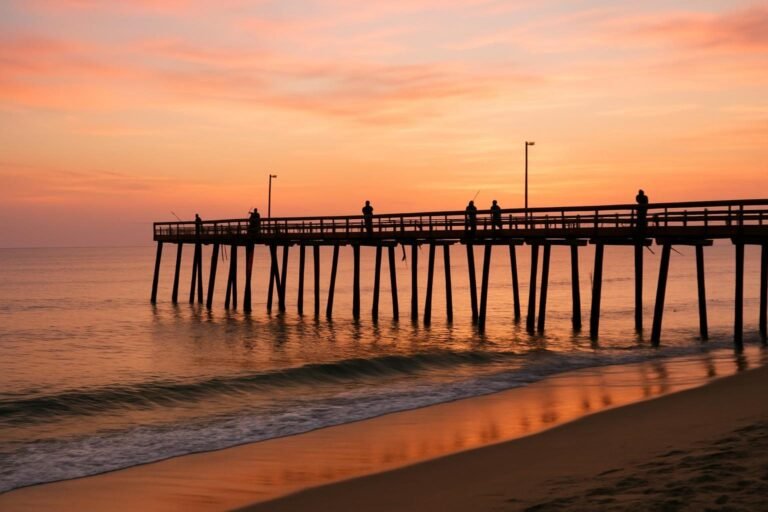
Quick answer: Living in Beaufort NC means a walkable, boat-centered historic town on Taylor Creek, with older homes, a working waterfront and a short drive to Morehead City and the Bogue Banks beaches. It suits people who value character and water access and can accept higher prices, flood-zone exposure and summer crowds. It is a poor fit if you want new construction, big-box convenience on your doorstep or a quiet town all year.
Key takeaways
- Beaufort is small, old and walkable at its core, with Morehead City about 10 minutes away for groceries, hospitals and big stores.
- Older homes bring charm and real upkeep: moisture, wood rot, old wiring and historic district design rules.
- Much of the waterfront and downtown sits in flood-prone areas, so check elevation and insurance before you fall in love.
- Spring through early fall is busy with visitors; winter is quiet and very local.
This guide covers what daily life looks like, what owning an older house involves, rough price ranges, and who tends to be happiest here. For comparison with neighboring towns, see our Towns & Neighborhoods section.
The Historic District and Waterfront
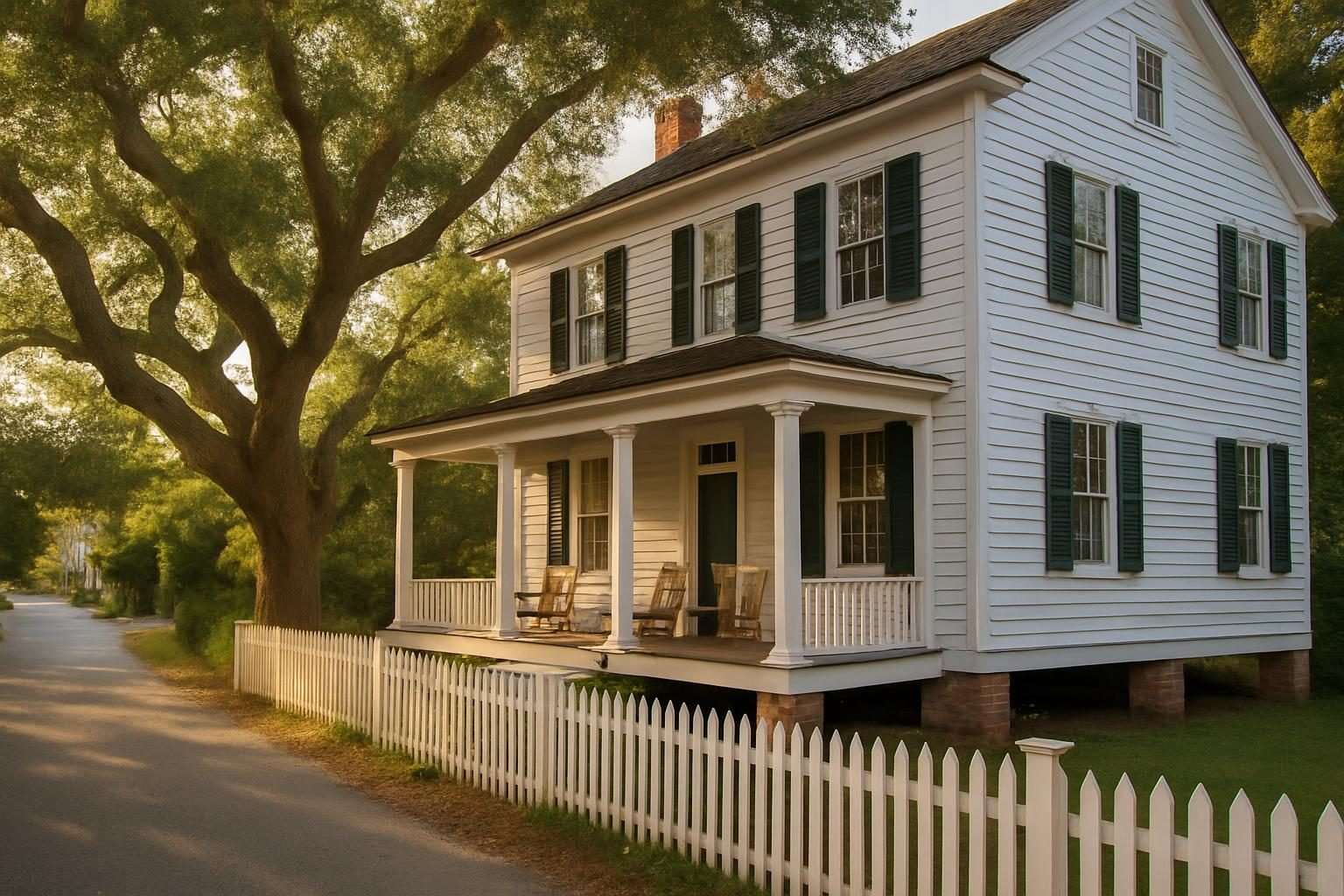
Beaufort is the Carteret County seat and one of the oldest towns in North Carolina, settled in the early 1700s. The historic district runs along Front Street and the Taylor Creek waterfront, with side streets of narrow lots, deep porches and live oaks. Across the creek sit Carrot Island and the Rachel Carson Reserve, where wild horses are often visible from the boardwalk. To see more of the area’s barrier islands, read how to visit Cape Lookout National Seashore from Carteret County.
Everyday life here revolves around the water:
- Boats everywhere. Sailboats, sportfishing boats and visiting cruisers fill the docks and anchorage.
- Walkable core. Restaurants, shops, the Old Burying Ground and the waterfront are all within a few blocks of each other.
- Maritime culture. The NC Maritime Museum, boatbuilding traditions and working fishermen are part of the town’s identity, not a theme.
- Ferry access. Passenger ferries to Cape Lookout National Seashore leave from the area. Check the National Park Service Cape Lookout page for current operators and seasons.
If you want a list of what to do once you live here, our upcoming guide to things to do in Beaufort will cover it in detail.
Older Homes: What Owning One Means
Beaufort’s housing stock is a big part of its appeal. Many homes in and around the historic district are well over a century old, with wood siding, tall ceilings, porches and period details. Owning one is rewarding, but it is a different job from owning a 2005 house in a subdivision.
What to budget time and money for
- Moisture and rot. Salt air, humidity and old wood are a tough combination. Expect regular painting, caulking and the occasional board or sill replacement.
- Foundations and crawlspaces. Many older homes sit on piers. Ask about crawlspace moisture, vapor barriers, termites and sagging floors.
- Wiring, plumbing and HVAC. Updated systems are worth paying for. Ducting an old house is often awkward and costly.
- Windows and roofs. Original windows are lovely and leaky. Roofs take a beating in coastal wind, which matters for insurance too.
Historic district rules
Exterior changes inside the historic district generally go through the town’s historic preservation process before work begins. That can affect windows, siding, paint, fences and additions. Call the town planning office early and confirm what applies to a specific address. Do not assume a contractor knows the rules.
Local tip: Hire a home inspector who knows pre-1950 coastal houses, and ask for a separate crawlspace and moisture assessment. A general inspection of a 100-year-old house will not tell you what the floor framing looks like under a century of humidity.
An old Beaufort house costs less in surprises if you budget for the building’s age, not just the price.
What Homes Cost in Beaufort
Beaufort is among the pricier places to buy in Carteret County, because there is limited land and strong demand for historic and water-view properties. The ranges below are rough, typical estimates, not quotes or current listings. Market conditions shift, so check recent sales with a local agent.
| Property type | Typical range (estimate) | Notes |
|---|---|---|
| Condo or townhome | Roughly $300,000-$600,000 | Often easier to insure and maintain; HOA fees vary |
| Older cottage or bungalow outside the waterfront core | Roughly $400,000-$800,000 | Condition varies widely |
| Historic district home | Roughly $600,000-$1.2 million or more | Character, walkability, design rules |
| Waterfront or deep-water property | Roughly $1 million to several million | Docks, flood zones and insurance drive costs |
| Long-term rental, 2-3 bedrooms | Roughly $1,800-$3,000 per month | Limited supply; many owners prefer short-term rental |
Many buyers also look at nearby Morehead City, Newport or Harkers Island for more house per dollar. Our Living in Morehead City guide covers that option, and our upcoming cost of living breakdown for Carteret County will compare ongoing expenses.
Remember the costs after closing: flood and wind insurance, property taxes, and maintenance on an older building often matter more than the sticker price.
Flood Exposure and Storm Season
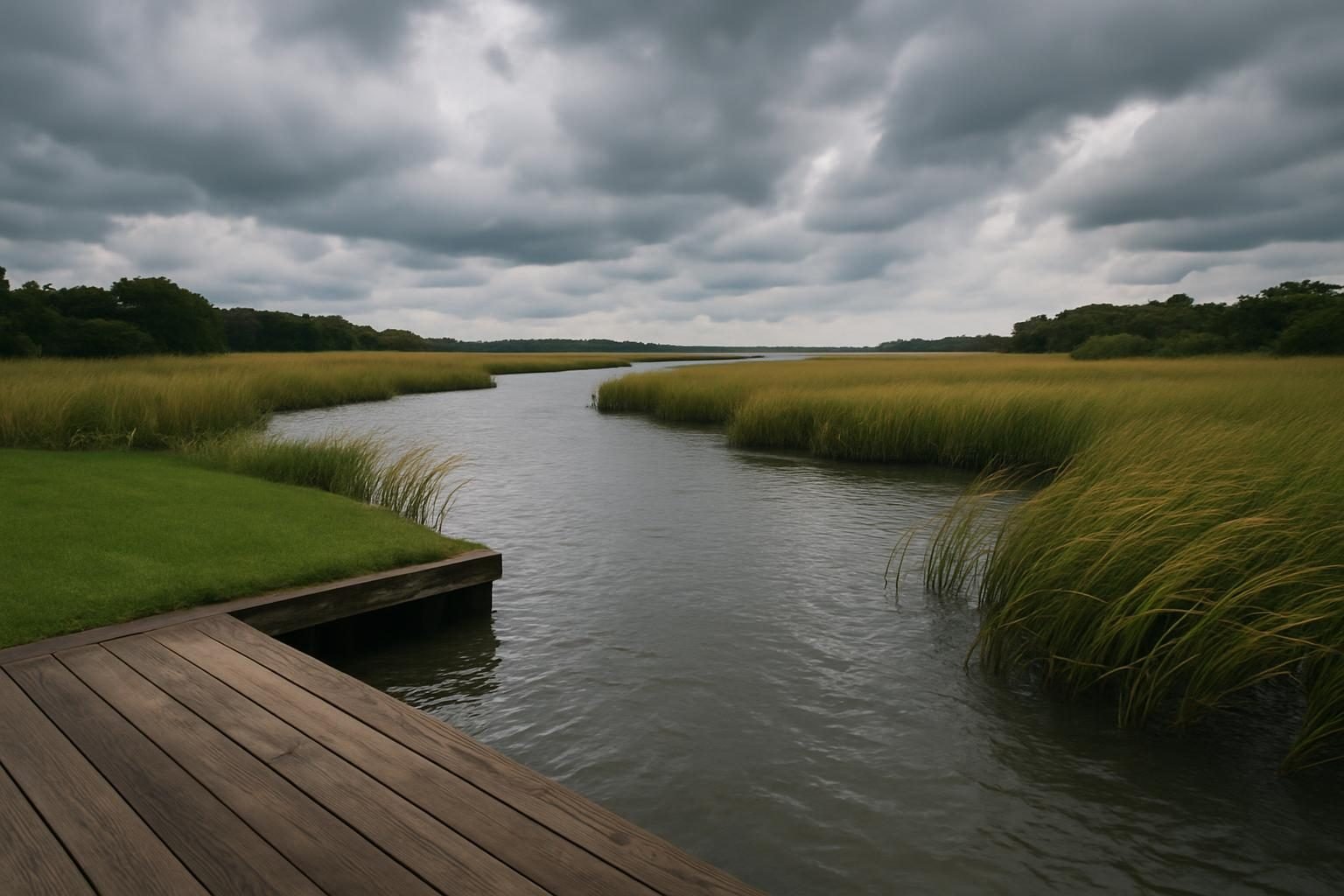
Beaufort sits low, on a tidal creek, between Bogue Sound and the Beaufort Inlet. Downtown streets and waterfront properties can take water from storm surge and wind-driven tides, and heavy rain can add to the problem. Hurricane season runs June 1 through November 30, and the risk is real for anyone buying here.
Before you make an offer:
- Check the flood zone for the specific parcel, not the neighborhood. The state’s Flood Risk Information System is a good starting point.
- Ask for an elevation certificate if one exists, and ask the seller about past water in the house or crawlspace.
- Get insurance quotes first for flood, wind and hail. Premiums can change the math on a purchase.
- Look at the structure. Elevated living space, flood vents, good drainage and a newer roof all help.
- Plan your evacuation and backup power. Know your route and consider a generator or battery backup.
Higher ground and homes farther from the creek generally face less risk, but no part of the coast is risk-free. Compare how storms and seasons play out through the year in our upcoming Crystal Coast weather by month guide.
On the coast, the flood zone and the insurance quote belong in your decision before the paint colors do.
Tourist Seasons and the Daily Rhythm
Beaufort has a pronounced seasonal cycle. Here is how it typically feels:
- Spring: Visitors and boaters return. Events such as the Wooden Boat Show draw crowds, so check dates with the organizers.
- Summer: Peak season. Front Street parking is tight, restaurants fill up and waterfront traffic slows. Locals learn side streets and off-hours.
- Fall: Many people consider this the best stretch. Water is still warm, crowds ease, and fishing and boating stay good, though storm season continues into November.
- Winter: Quiet. Some seasonal businesses cut hours or close. It is a local town again, and plenty of residents like it best.
Living near a tourist waterfront means you will share it. Noise, events and foot traffic come with the setting, especially if you buy a home close to Front Street. Visit in July and in January before you decide how you feel about both. If you want a quieter setting, see our guide to living in Pine Knoll Shores, NC.

Distances: Morehead City, the Beaches and the Bases
Beaufort is compact, but it is not self-contained. For most big shopping, medical care and beach days, you will drive. If you want ideas for a day out, see our guide to things to do in Morehead City, NC. These are typical drive times in normal traffic, so allow more in summer and during holiday weekends:
| Destination | Typical drive | What you go for |
|---|---|---|
| Morehead City | About 10 minutes | Groceries, big-box stores, hospital, the Port of Morehead City |
| Atlantic Beach and Fort Macon | About 15-25 minutes | Ocean beaches, state park |
| Emerald Isle | About 35-50 minutes | Quieter beach, longer trip on NC-58 |
| Harkers Island | About 25-35 minutes | Cape Lookout access, Core Sound |
| MCAS Cherry Point | About 40-50 minutes via US-70 | Commute for military and civilian workers |
| Camp Lejeune | Roughly an hour or more | Longer commute; route and traffic matter |
The bridges to Bogue Banks can back up in summer, so the beach is closer in miles than in minutes on a Saturday. If you are weighing a beach-side address instead, read about living in Atlantic Beach. Military families commuting to the base should also see living in Carteret County near Cherry Point.
Is Living in Beaufort NC Right for You?
It tends to work well for:
- Retirees and second-home owners who want a walkable, character-rich town with water access.
- Boaters and anglers who want to be minutes from the creek, the inlet and Core Sound.
- People who like old houses and are ready for the work and the rules.
- Remote workers and professionals who can handle a short drive to Morehead City for services.
It is harder for:
- Buyers on a tight budget, since prices run above much of the county.
- Anyone who wants low-maintenance, modern construction on high ground.
- Those who dislike tourist traffic or seasonal noise.
- Military members with a daily commute to Camp Lejeune.
Many people visit for a weekend, then buy. A better plan is to rent for a season first, drive the roads in July, and walk the neighborhoods after a heavy rain. For more on how Beaufort compares with other towns, browse our Towns & Neighborhoods hub.
FAQ
Is Beaufort NC a good place to live?
For people who want a historic, walkable waterfront town, yes. The tradeoffs are higher prices, older-home upkeep, flood and hurricane exposure, and summer crowds. If you would rather live by the ocean, read about living in Atlantic Beach year-round.
How far is Beaufort from Morehead City and the beaches?
Morehead City is about 10 minutes away. Atlantic Beach and Fort Macon are typically 15-25 minutes, and Emerald Isle is roughly 35-50 minutes depending on traffic.
Does Beaufort flood?
Parts of it do. Low-lying streets and waterfront properties can flood from storm surge and heavy rain. Check the exact property’s flood zone and get insurance quotes before buying.
Is Beaufort a good choice for military families?
It can be for Cherry Point personnel, with a commute of roughly 40-50 minutes. Camp Lejeune is a longer drive, so many Lejeune families choose areas farther west on the Crystal Coast. Cherry Point personnel may also want to look at living in Newport, NC, a small town between the base and the coast.
What does a house in the Beaufort historic district cost?
Rough estimates run from the mid six figures to well over $1 million, depending on size, condition and water proximity. Ask a local agent for current sales, as the market changes.