Quick answer: The best seafood in Emerald Isle comes from asking one question at the table or the counter: what came off a local boat this week? Order local catch (flounder, shrimp, mahi, tuna, oysters in season) grilled, broiled or lightly fried, and buy fresh for a rental kitchen from a dockside or fish market rather than a grocery case. Species, availability and hours change with season and weather, so confirm details directly.
Key takeaways
- Fried platters are not automatically local. Ask where the fish came from and what is fresh today.
- Shrimp, flounder, spot, mullet, oysters and tuna each have a better window, so order by season.
- Buying for a rental kitchen is easy if you plan around your arrival day and a cooler.
- Fresh whole fish and shell-on shrimp usually beat pre-cooked or frozen-then-thawed options.
- Hours and menus shift seasonally on Bogue Banks, so call ahead, especially off-season.
How Seafood Works on Bogue Banks
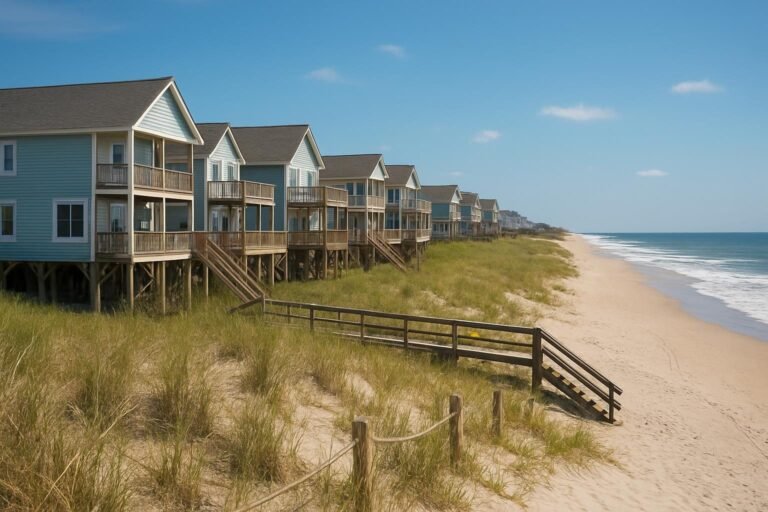
Emerald Isle sits at the western end of Bogue Banks, with the Atlantic on one side and Bogue Sound on the other. That gives the island’s restaurants access to ocean fish, sound shrimp and flounder, and shellfish from nearby waters. But not everything on every menu was caught nearby.
Plenty of restaurants mix local product with imported shrimp, farmed fish and frozen fillets, especially at peak summer volume. That is not a scandal, just a reality of feeding a beach town in July. Your job is to know how to steer toward the good stuff.
- Local catch means landed by a commercial or recreational boat in North Carolina waters, often within days.
- “Fresh” on a menu can mean anything from dockside to never-frozen-but-shipped. Ask.
- Frozen is not always bad. Flash-frozen shrimp and scallops can be excellent. Thawed-and-refrozen is the problem.
Fried Platter vs. Local Catch: How to Order
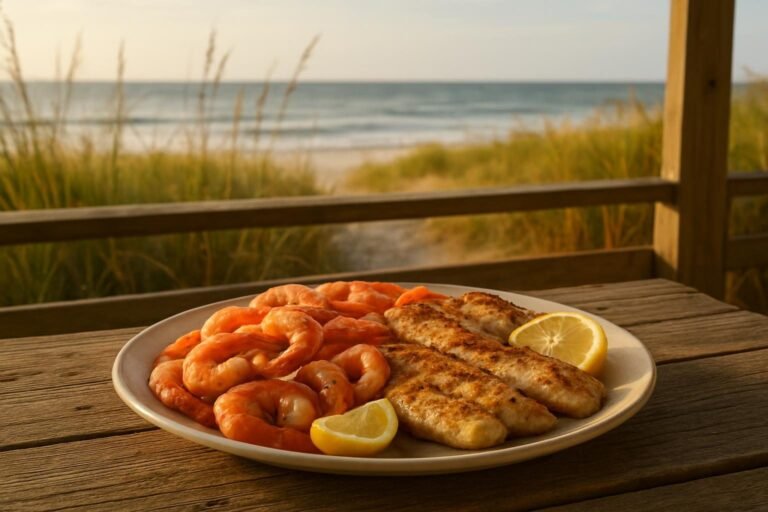
A fried seafood platter is a Crystal Coast tradition, and a good one is a pleasure. The trouble is that frying hides origin. Breading and hot oil make nearly any fish taste fine, so a platter tells you little about freshness.
If you want to taste the difference, choose a preparation that lets the fish speak, at least once during your trip.
| Style | Best for | Watch for |
|---|---|---|
| Fried platter | Shrimp, oysters, flounder, deviled crab sides | Origin is hard to judge; heavy batter |
| Grilled or broiled | Mahi, tuna, flounder, grouper when available | Overcooking dries lean fish fast |
| Blackened | Firm fish like mahi or tuna | Spice can overpower delicate species |
| Raw or steamed | Oysters, steamed shrimp or clams | Raw shellfish carries inherent risk for some people |
Questions worth asking your server
- “Which fish today is local?” A good server will know, or find out.
- “Is the shrimp North Carolina shrimp?” Local shrimp tastes sweeter and is worth the question in season.
- “What is the catch of the day, and how is it usually served?”
- “Can I get it grilled instead of fried?”
Local tip: If a menu lists a long run of different fresh fish every day of the year, be a little skeptical. Real local catch changes with the weather and the season, and short, shifting specials boards are usually a better sign than a laminated menu.
What’s in Season
Seasonality is the single best guide to ordering well. Exact timing shifts year to year with water temperature, weather and regulations, so treat the table below as a general pattern, not a calendar promise. For the month-by-month detail, see our guide to what seafood is in season in Carteret County.
| Season | Commonly on local menus and markets |
|---|---|
| Spring | Flounder starting to show, early shrimp, tuna, soft-shell crab (brief window) |
| Summer | Shrimp, mahi, tuna, king mackerel, spot, clams, blue crab |
| Fall | Peak local shrimp, flounder, mullet, speckled trout, oysters returning |
| Winter | Oysters, clams, scallops, striped bass and trout depending on regulations |
Oyster season generally runs through the cooler months, and the water they come from matters. Our guide to oysters in Carteret County explains seasons, roasts and where to buy.
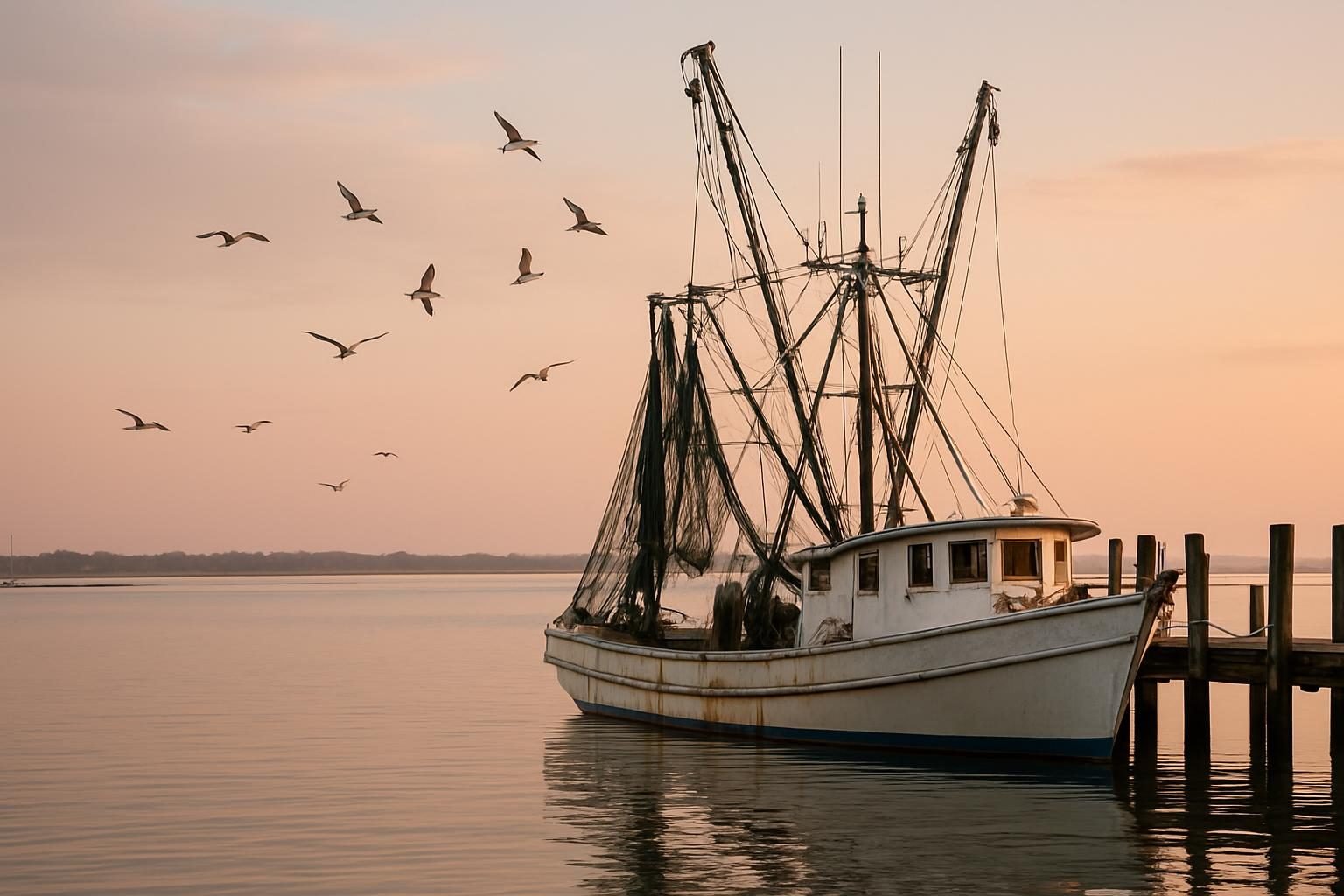
The best fish on the island is usually the one that changes on the specials board with the weather.
Where to Eat Local Seafood on Emerald Isle
Emerald Isle has a mix of casual spots, beach-town restaurants and sit-down dining along NC-58. Rather than ranking individual places, which change owners, menus and hours more than people expect, here is how to choose.
What good looks like
- A short, changing specials list that names fish and preparation.
- Staff who can say where the shrimp came from without checking a binder.
- Simple preparations offered alongside fried ones.
- Sound or oceanside views are a bonus, not a quality signal. Some of the best plates come from plain rooms.
For current options, our roundup of the best restaurants in Emerald Isle is the place to start. If you want to compare with the mainland, Morehead City seafood restaurants sit close to working docks, and the Carteret County shrimp burger is worth understanding before you order one.
Summer evenings fill fast. Expect waits at popular spots and consider early dinners, weekday visits or takeout to eat on the porch.
Buying Fresh for a Rental Kitchen
Cooking in a beach rental is one of the best ways to eat well and spend less, if you plan it. Most rental kitchens are decently stocked but rarely have a heavy skillet, a good knife or a fish spatula, so keep dishes simple.
Where to buy
- Dockside and fish markets. Often the freshest option and usually the best prices on shrimp and whole fish. The Morehead City waterfront is a short drive from Emerald Isle, and our planned guide to fish markets in Morehead City will go deeper.
- Roadside and seasonal sellers. Can be excellent, but quality varies. Look for cold storage and ice.
- Grocery seafood counters. Convenient, fine for basics, but ask when product arrived.
- Farmers markets. Not every market carries seafood, so check what is offered. See farmers markets in Carteret County.
What to look for
- Smell. Fresh seafood smells like clean salt water, never sharply fishy or ammonia-like.
- Eyes and gills. On whole fish, clear eyes and red gills are good signs.
- Shrimp. Firm, translucent flesh. Shell-on keeps better and tastes better.
- Ice and temperature. Product should sit on ice or in a cold case, not at room temperature.
Local tip: Bring a cooler with ice or frozen gel packs. The drive from Morehead City to Emerald Isle along NC-58 can crawl in summer, and seafood sitting in a hot car is a bad trade.
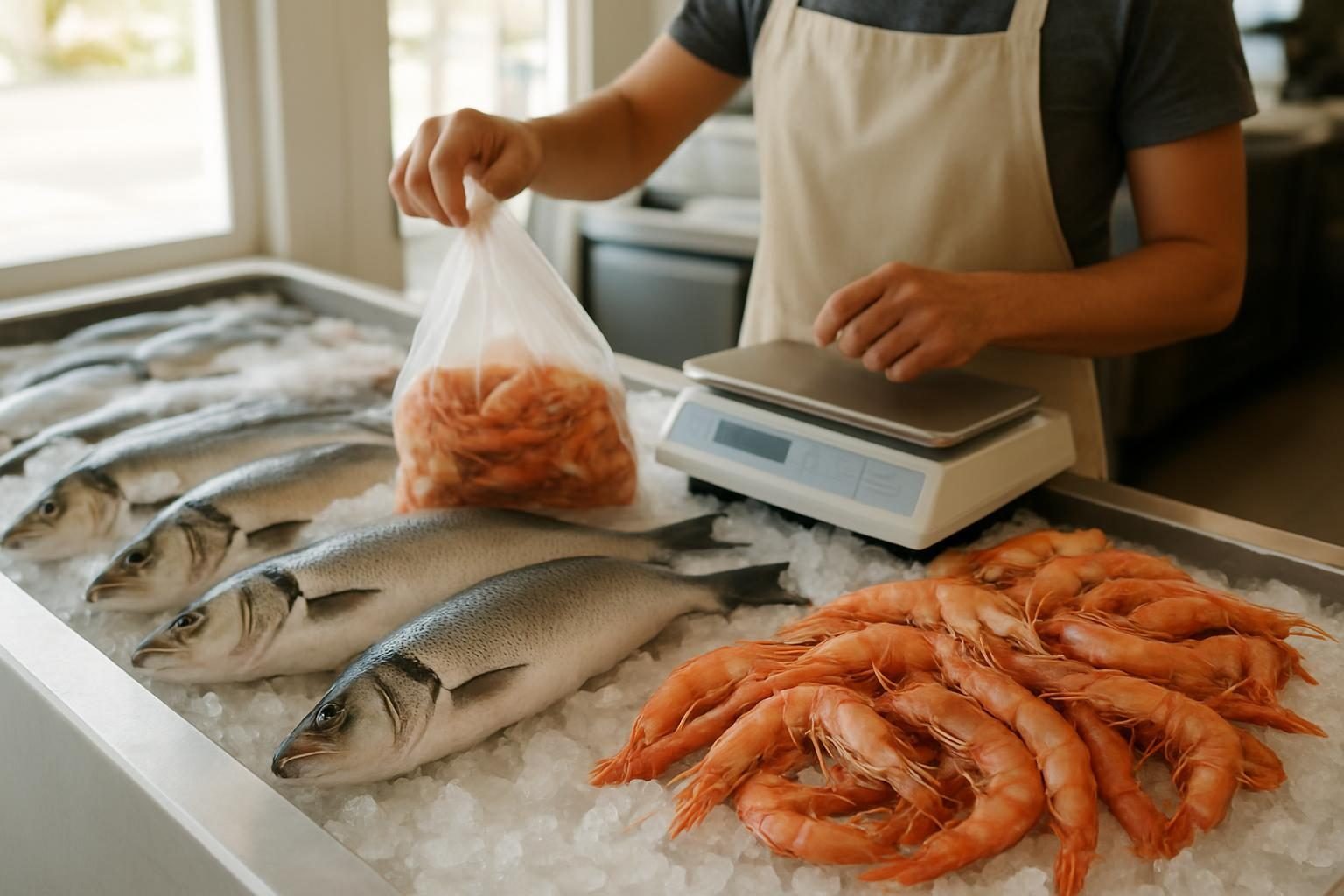
Shell-on shrimp from a cooler of ice will beat nearly anything pre-cooked, and it takes ten minutes to boil.
Simple Ways to Cook Your Haul
You do not need a recipe collection. A few methods cover almost everything.
- Shrimp: boil in salted water with a little seasoning for two to three minutes, then chill briefly.
- Flounder or other white fish: pan-sear or bake with butter and lemon until it flakes.
- Tuna or mahi: grill over high heat, taking care not to overcook.
- Oysters: steam or roast, and use a proper glove and knife if shucking.
- Clams: steam open with a splash of wine or beer.
Plan seafood meals for your first and middle nights rather than your last. Fresh product is best eaten within a day or two, and leftovers in a rental fridge on checkout day are a headache. If you are still choosing a place to stay, our guides to renting a vacation home in Emerald Isle and summer rental timing help you pick a house with a kitchen that suits your plans.
Catching Your Own
Many visitors eat fish they caught themselves. The Bogue Inlet Fishing Pier is a classic spot for casting a line without a boat, and The Point at the inlet is popular with surf anglers, though conditions there demand care. See our guide to The Point at Emerald Isle before you go.
Recreational fishing in North Carolina involves licensing, size limits and seasonal rules that change. Check the NC Division of Marine Fisheries for current regulations before you keep anything.
A Few Honest Caveats
- Prices rise in peak summer. Local seafood costs more than imported, and beach-town menus reflect that.
- Hurricane season affects supply. After storms or rough weather, boats stay in and markets thin out.
- Hours shrink off-season. Some Emerald Isle spots close or cut days in winter, so call ahead.
- Shellfish carries risk for some people. Pregnant visitors, young children and anyone with a compromised immune system should be cautious with raw oysters.
If you would rather build a trip around the big seafood events, the NC Seafood Festival in Morehead City is the annual headliner.
FAQ
What seafood is Emerald Isle known for?
Shrimp, flounder, mahi, tuna, oysters and clams show up most often, with the mix depending on season. Fried platters are common, but grilled local catch is easy to find if you ask.
How can I tell if a restaurant serves local seafood?
Ask your server where the fish and shrimp came from today. Short, changing specials and staff who answer confidently are good signs. Long, unchanging menus are harder to judge.
Where should I buy fresh seafood for a rental kitchen?
Dockside and fish markets, including those in nearby Morehead City, usually offer the freshest product. Bring a cooler with ice and plan to cook within a day or two.
Is it better to order fried or grilled seafood?
Fried is a local tradition and perfectly good, especially for shrimp, oysters and flounder. Grilled or broiled lets you taste freshness more clearly, so try both during your stay.
When is oyster season on the Crystal Coast?
Oysters are generally best in the cooler months, roughly fall through spring. Harvest rules and area closures change, so confirm with the NC Division of Marine Fisheries or your seller.