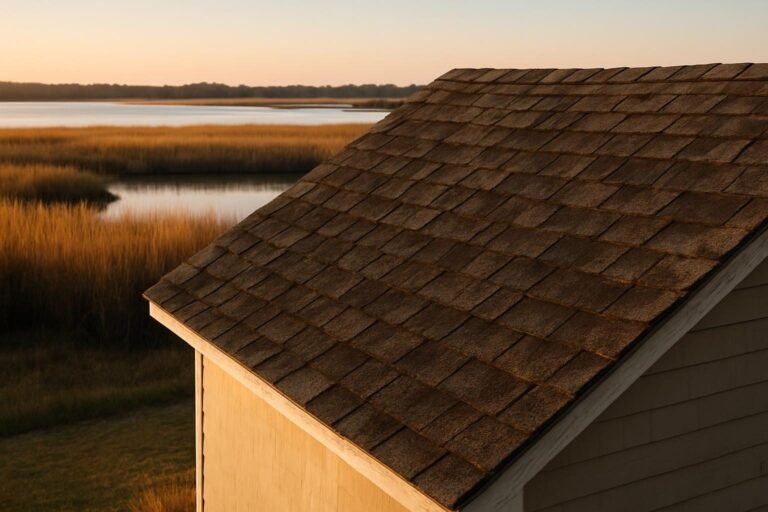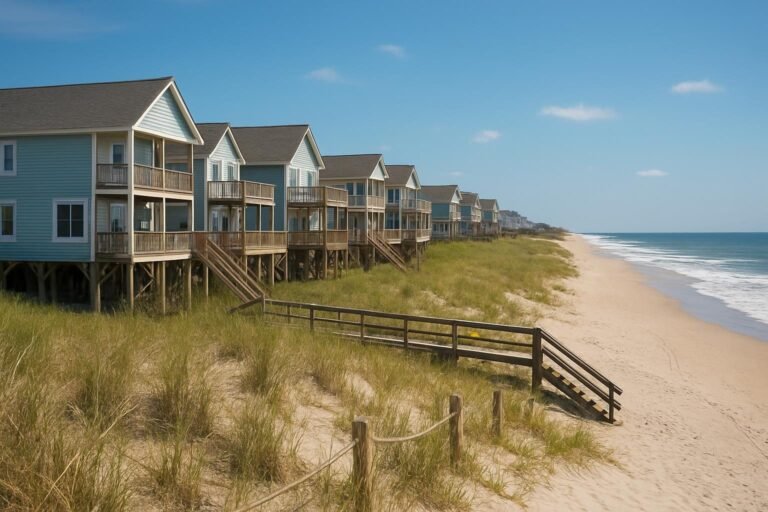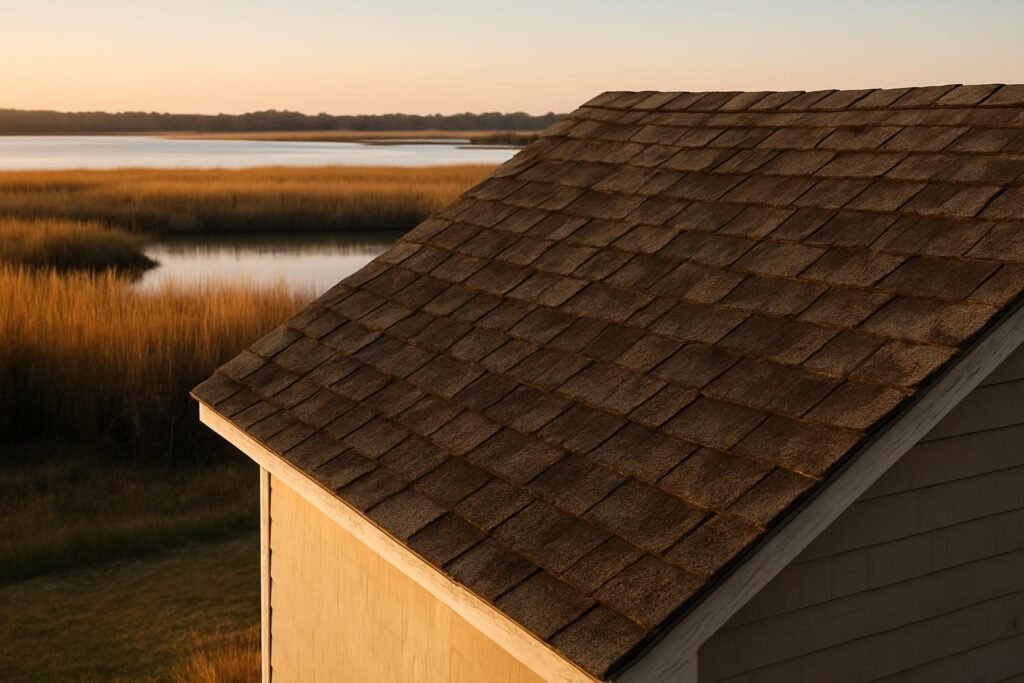
Quick answer: A roof inspection in Carteret County typically runs from roughly $150 to $500 for a standard single-family home, with drone-only checks at the low end and detailed written reports on steep, complex or large roofs at the high end. The best times to inspect are in spring before hurricane season, after any named storm or serious wind event, before buying or selling, and when an insurer asks for one.
Key takeaways
- Inspect every spring before June 1 and again after any storm that put wind on your roof.
- Salt air, UV and wind-driven rain wear coastal roofs faster than most inland roofs.
- Expect roughly $150 to $500 for a typical home inspection, more for large or complex roofs (estimates, not quotes).
- A written report with photos is what insurers, buyers and your own records actually need.
- Choose an inspector who does not also need to sell you the repair.
Living on the Crystal Coast means your roof takes more punishment than almost any other part of the house. Salt-laden air, summer sun, afternoon thunderstorms and the occasional hurricane all add up. This guide covers when to schedule an inspection, what a good one includes, what it costs and how to find someone trustworthy. For more on keeping your property in shape, browse our Home & Property hub.
If you would rather have someone vetted handle it, you can request help with a roof inspection from a vetted local pro using the form on this page.
When to Get a Roof Inspection on the Crystal Coast
Timing matters more here than in most places. A roof that looked fine in March can have lifted shingles by October.
- Spring, before hurricane season. Atlantic hurricane season runs June 1 through November 30. An April or May inspection gives you time to fix problems before the peak in late summer and early fall.
- After a named storm or strong nor’easter. Even if nothing looks wrong from the yard, wind can lift shingles, loosen flashing and crack sealant. Photograph and document promptly, since insurance claims often have filing deadlines.
- Before buying a home. A general home inspection looks at the roof briefly. A dedicated roof inspection is more thorough and can give you negotiating leverage.
- Before listing a home. A clean report can head off surprises during the buyer’s inspection and speed up closing.
- When insurance requires it. Some insurers ask for roof age and condition documentation at renewal or when you apply, especially for older roofs.
- Every few years as routine maintenance. Even with no storm, annual or every-other-year checks catch small leaks before they become structural problems.
Our hurricane prep checklist for Carteret County homes pairs well with a spring roof check.
On the coast, a spring inspection is cheap insurance against an expensive September.
What a Roof Inspector Actually Checks
A thorough inspection goes well beyond a quick look from the driveway. Here is what to expect.
Exterior surfaces
- Shingles or panels: curling, cracking, granule loss, lifted tabs, missing pieces and nail pops.
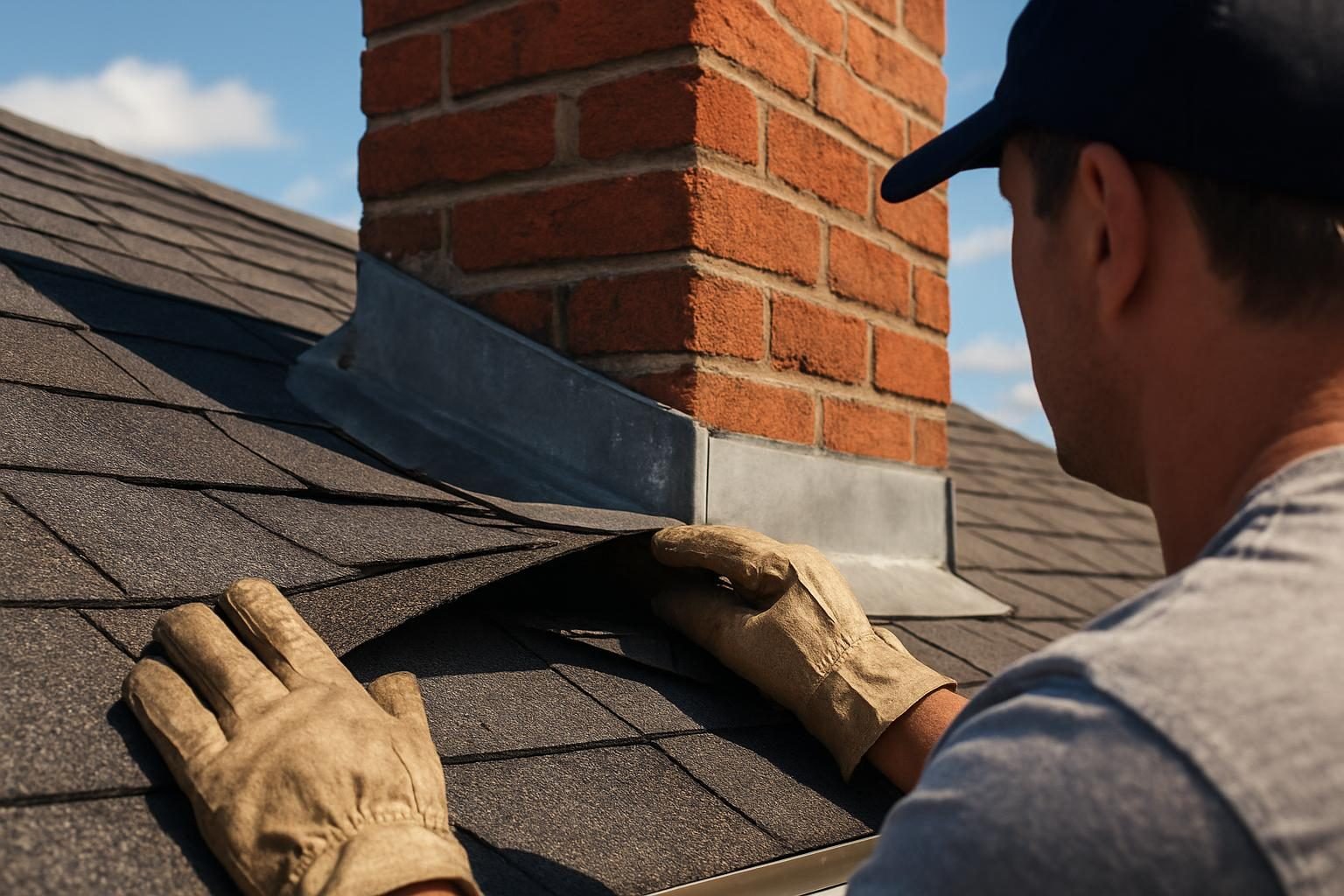
- Flashing: around chimneys, vents, skylights, valleys and wall intersections. This is where most leaks start.
- Sealant and boots: plumbing vent boots and roof penetrations crack from UV and heat.
- Ridge and edge details: ridge caps, drip edge and rake edges, which are the first places wind gets under a roof.
- Gutters and drainage: clogs, sagging and standing water.
Interior and structure
- Attic: water stains, damp insulation, daylight through the decking, mold and rusted fasteners.
- Ventilation: poor airflow traps humid air, which is a real problem in our climate.
- Decking: soft or sagging spots that suggest moisture damage.
- Ceilings and walls: brown stains or peeling paint under roof areas.
Many inspectors now use drones to view steep or high roofs safely. That is fine for an initial look, but ask whether they also go in the attic, because the attic often tells the real story.
Wind and Salt Wear: What to Look For Yourself
You do not need to climb up to spot trouble. From the ground, with binoculars if you have them, watch for these signs.
| Sign | What it usually means |
|---|---|
| Shingle tabs lifted or flapping | Wind has broken the sealant bond; shingles can tear off in the next storm |
| Missing shingles or bare spots | Active exposure to water; needs prompt repair |
| Granules in gutters or at downspouts | Shingles are aging and losing protection |
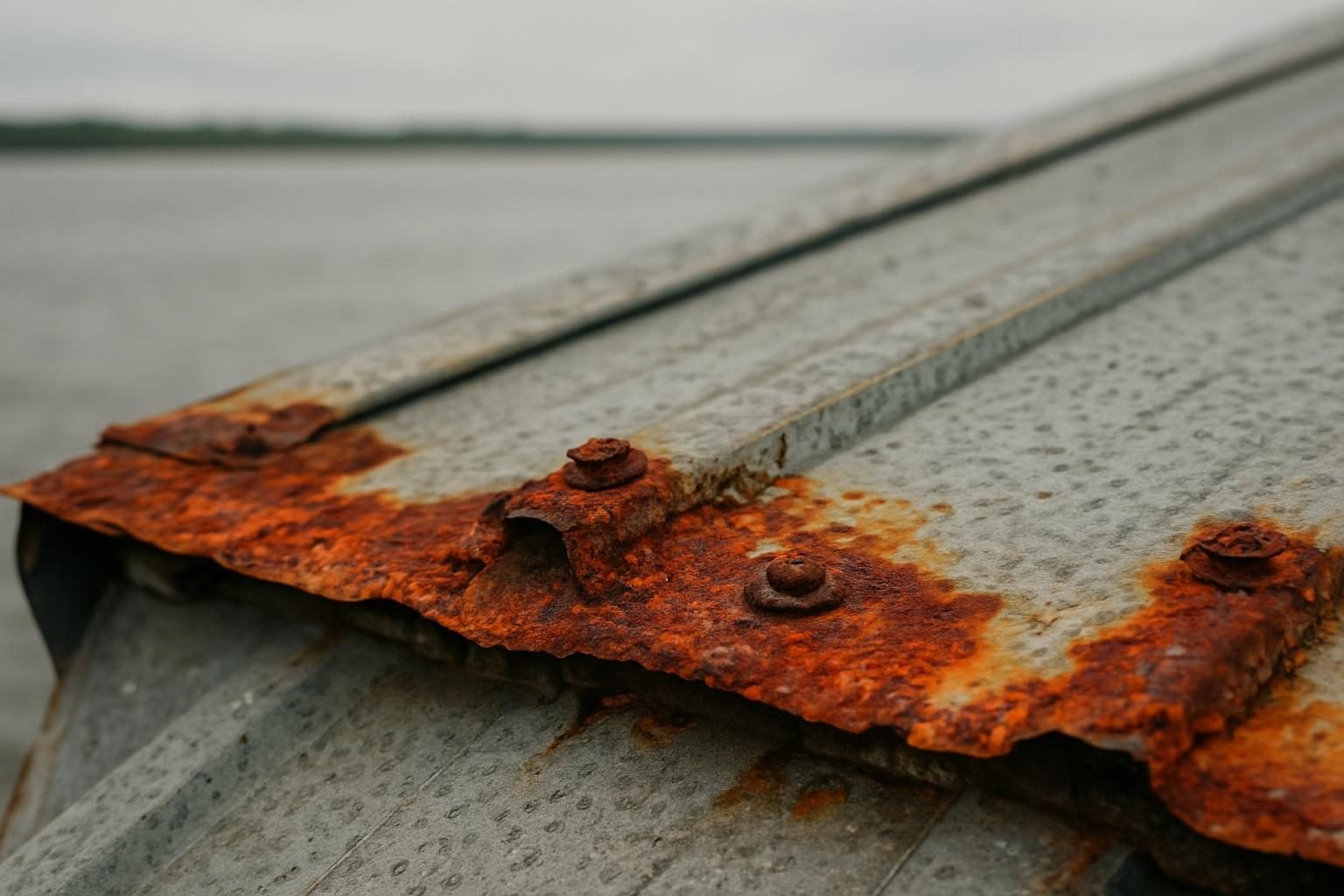
| Rust streaks or corroded flashing and fasteners | Salt air is attacking metal components |
| Dark streaks or green growth | Algae or moss holding moisture against the roof |
| Sagging ridge line or dips | Possible decking or structural moisture damage |
| Brown stains on ceilings | An active or past leak that needs tracing |
Homes on Bogue Banks, Harkers Island and other waterfront areas often show salt corrosion on metal parts sooner than homes a few miles inland. If you live close to the water, tell the inspector so they check fasteners and flashing closely.
Local tip: After any big storm, take dated photos of your roof and yard from several angles before anyone makes repairs. Those photos can matter if you file a claim later.
What a Roof Inspection Costs in Carteret County
Prices vary by roof size, pitch, material and how detailed the report is. These are typical ranges and estimates only, not quotes. Always get current pricing from the inspector.
| Type of inspection | Typical range (estimate) |
|---|---|
| Basic visual or drone check, standard home | About $150 to $300 |
| Full inspection with attic and written photo report | About $250 to $500 |
| Large, steep or complex roof | About $400 to $700 or more |
| Insurance or wind-mitigation documentation | Often priced separately; ask up front |
Some roofing contractors offer free inspections. That can be useful, but remember the business model: they are hoping to win the repair or replacement job. For a home sale or an insurance dispute, an independent paid report carries more weight.
If the inspection points toward replacement, our guide to roof replacement cost in Morehead City and Carteret County breaks down what that project looks like.
A free estimate from a roofer is a sales call; a paid inspection is a second opinion.
Inspections for Home Sales and Insurance
Buying a home
In the sales process, a roof inspection can reveal deferred maintenance that a general inspector might only flag as “further evaluation recommended.” Use the written findings to negotiate repairs, a credit or a price adjustment. Roof age matters too, since many coastal insurers get cautious as shingles approach 15 to 20 years.
Selling a home
A pre-listing inspection lets you fix small issues on your timeline instead of under deadline pressure. It also gives buyers confidence, which can keep a deal together.
Insurance
Coastal homeowners face tighter underwriting than inland owners. Insurers may ask about roof age, material, shape and storm-resistant features. Our guide to wind-resistant roofs on the NC coast explains which upgrades actually help. For a broader picture of coverage, see homeowners insurance on the North Carolina coast, and if you are near the water, our flood zones and flood insurance guide covers the water side of the risk.
Roof inspections do not replace flood coverage, and wind damage and water damage are often handled by different policies. Check your own policy and talk with your agent about deductibles, especially the separate named-storm or wind deductible many coastal policies carry.
How to Pick a Roof Inspector
- Check licensing and insurance. North Carolina licenses general contractors and roofing contractors through the state licensing board. Ask for proof of liability coverage and, if they have employees, workers’ compensation. You can verify contractor licenses with the NC Licensing Board for General Contractors.
- Ask about coastal experience. Someone who knows salt corrosion, wind uplift and local building practices will see more than a generalist.
- Request a sample report. A good report has dated photos, clear descriptions and prioritized recommendations, not just a checklist.
- Clarify conflicts of interest. Ask whether they also do repairs, and whether the inspection fee is separate from any later work.
- Get it in writing. Confirm scope, price, turnaround time and whether they go in the attic.
- Ask for local references. Past customers in Morehead City, Beaufort, Emerald Isle or Newport can tell you how the process went.
For more on choosing trades in the area, see our Local Pros hub.
After the Inspection: Repair, Monitor or Replace
A good inspector sorts findings into three buckets.
- Fix now: active leaks, missing shingles, failed flashing. These get worse with every rain.
- Fix soon: aging sealant, minor corrosion, small areas of granule loss.
- Monitor: cosmetic issues and normal wear on a roof with years left.
Get at least two repair quotes for anything significant, and keep the inspection report on file. It becomes part of your home’s maintenance history, which helps at resale and at claim time. If water has already gotten in, move quickly: our guides on water damage restoration in Morehead City and mold remediation on the Crystal Coast explain what comes next. Trees overhanging the roof are another common culprit, covered in tree removal around Morehead City.
Ready to get started? Request help with roof inspection from a vetted local pro and we will connect you with someone who works in your part of the county.
FAQ
How often should I have my roof inspected in Carteret County?
At minimum, once a year in spring before hurricane season, plus after any significant storm. Older roofs and homes close to the water benefit from the extra attention.
How much does a roof inspection cost?
Typical estimates run from about $150 to $500 for a standard home, and more for large or complex roofs. Pricing varies by inspector, so confirm what is included before you book.
Does homeowners insurance cover a roof inspection?
Generally no. Inspections are usually a homeowner expense, though insurers may require one or an inspector’s findings may support a claim. Ask your agent about your specific policy.
Is a free roof inspection from a roofing company worth it?
It can be a useful starting point, but the company usually wants to sell you repairs or a replacement. For a sale or insurance dispute, an independent paid report is more reliable.
Can I inspect my own roof?
You can check from the ground and look for missing shingles, stains and debris. Walking a roof is risky and can damage shingles, so leave the detailed work to a professional.
Need a roof inspection in Morehead City or Carteret County?
Tell us about your home and timing, and we will connect you with a vetted local pro who can follow up with availability and pricing.