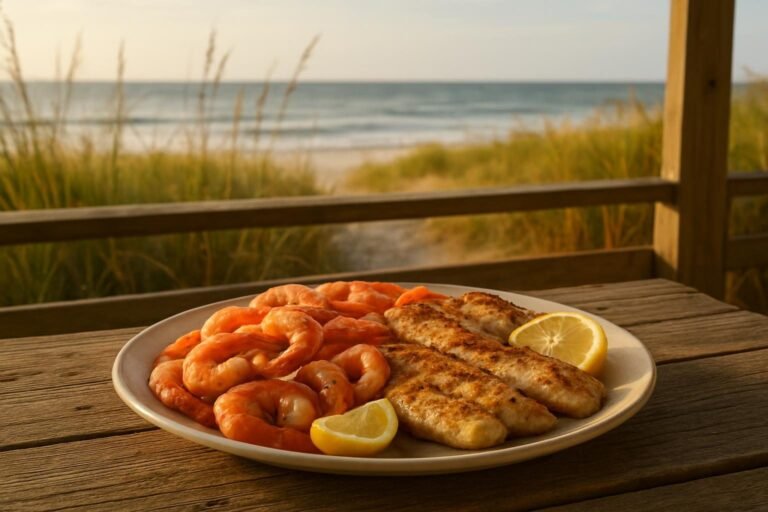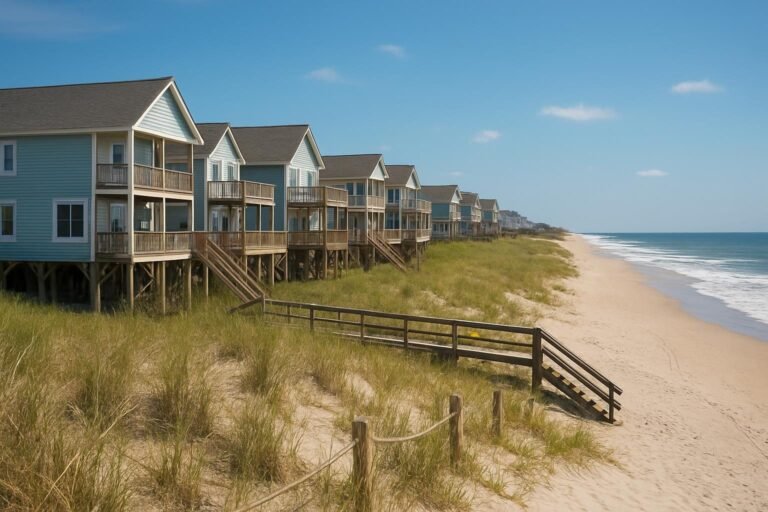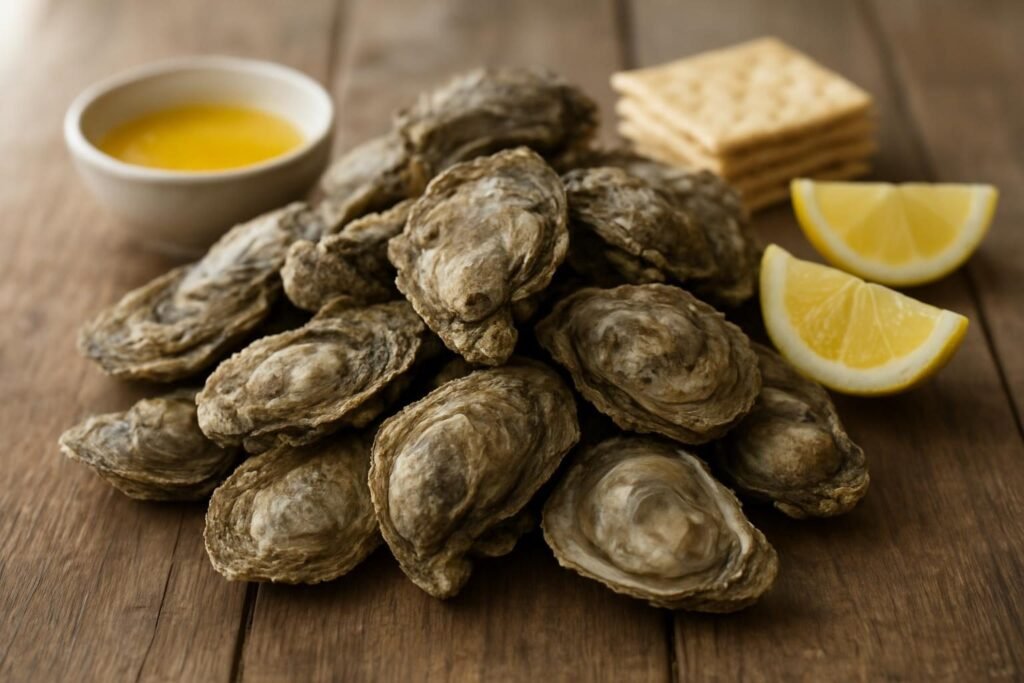
Quick answer: Oysters in Carteret County are at their best in the cooler months, roughly October through March, which is the traditional “R month” window and the heart of wild harvest. Farmed oysters from Core Sound, Bogue Sound and the North River area are available more of the year, and you can eat them at local raw bars or buy them by the bushel from seafood markets and the dock. Always check current harvest closures with the state before you buy or gather your own.
Key takeaways
- Peak season runs about October through March; summer oysters are safe from reputable sources but thinner and less briny-sweet.
- Wild oysters grow in clusters on reefs and look rugged; farmed oysters are usually cleaner, deeper-cupped and more uniform.
- A bushel is the standard roast unit and typically feeds a small group; plan on roughly a dozen or more per person for a true roast.
- Harvest areas open and close based on water quality, so check with the NC Division of Marine Fisheries before gathering your own.
- Keep oysters cold, alive and breathing, and discard any that stay open or smell off.
When Are Oysters in Season in Carteret County?
The old rule says to eat oysters only in months with an R in them, September through April. On the Crystal Coast, the sweet spot is a little narrower. Cold water firms up the meat, raises the salinity and sweetness, and keeps the shells loaded with plump oysters instead of spawning-thin ones.
Wild oyster harvest in North Carolina is managed by season and by area, and the exact dates change. The official source is the NC Division of Marine Fisheries, which posts harvest rules and shellfish closures. Check their site (NC Division of Marine Fisheries) before you plan a trip.
- October to November: Wild season opens, water starts to cool, and roasts begin popping up around the county.
- December to February: Prime eating. Cold water, firm meat, and the best time for a backyard roast.
- March: Still good, and the last stretch for traditional wild harvest.
- April to September: Mostly farmed oysters. Fine to eat from licensed sources, but quality varies more.
For a broader look at what’s coming off the boats each month, see our guide to what seafood is in season in Carteret County.
Wild vs. Farmed: How to Tell the Difference
Both are the same species, the Eastern oyster, and both are good. The difference is how they grew up, and it shows in the shell.
| Trait | Wild | Farmed |
|---|---|---|
| Shape | Irregular, elongated, often in clusters | More uniform, deeper cup |
| Shell | Rough, barnacled, muddy | Cleaner, often tumbled smooth |
| Meat | Varies widely; can be lean or full | Usually plump and consistent |
| Best for | Roasting, steaming, frying | Raw bar, half shell, grilling |
| Availability | Seasonal, area-dependent | Longer window |
Clusters are the giveaway for wild oysters. They grow stuck together on intertidal reefs, so you break them apart with a hammer or a heavy knife before cooking. Singles from a farm are grown in bags or cages off the bottom, which gives them a deeper, more shuckable cup.
Neither is better in the abstract. A cluster roast on a cold January afternoon is a different pleasure than a dozen on the half shell with a lemon wedge.
Local tip: Ask the person selling them where they came from and when they were harvested. A good dock or market can tell you the water body and the day. If they can’t, buy somewhere else.
Where to Eat Oysters in Carteret County
You have plenty of options, from a casual raw bar to a full waterfront dinner. Menus change and oysters depend on the season and the supply, so call ahead if oysters are the whole point of the trip.
- Morehead City: The waterfront and downtown have the highest concentration of seafood restaurants, and several serve oysters raw, steamed or fried. Our guide to Morehead City seafood restaurants covers where locals actually eat.
- Beaufort: Front Street and the streets behind it have raw bars and seafood kitchens with harbor views. See where to eat in Beaufort.
- Atlantic Beach: Casual spots near the Circle and along Fort Macon Road. Check Atlantic Beach restaurants for options.
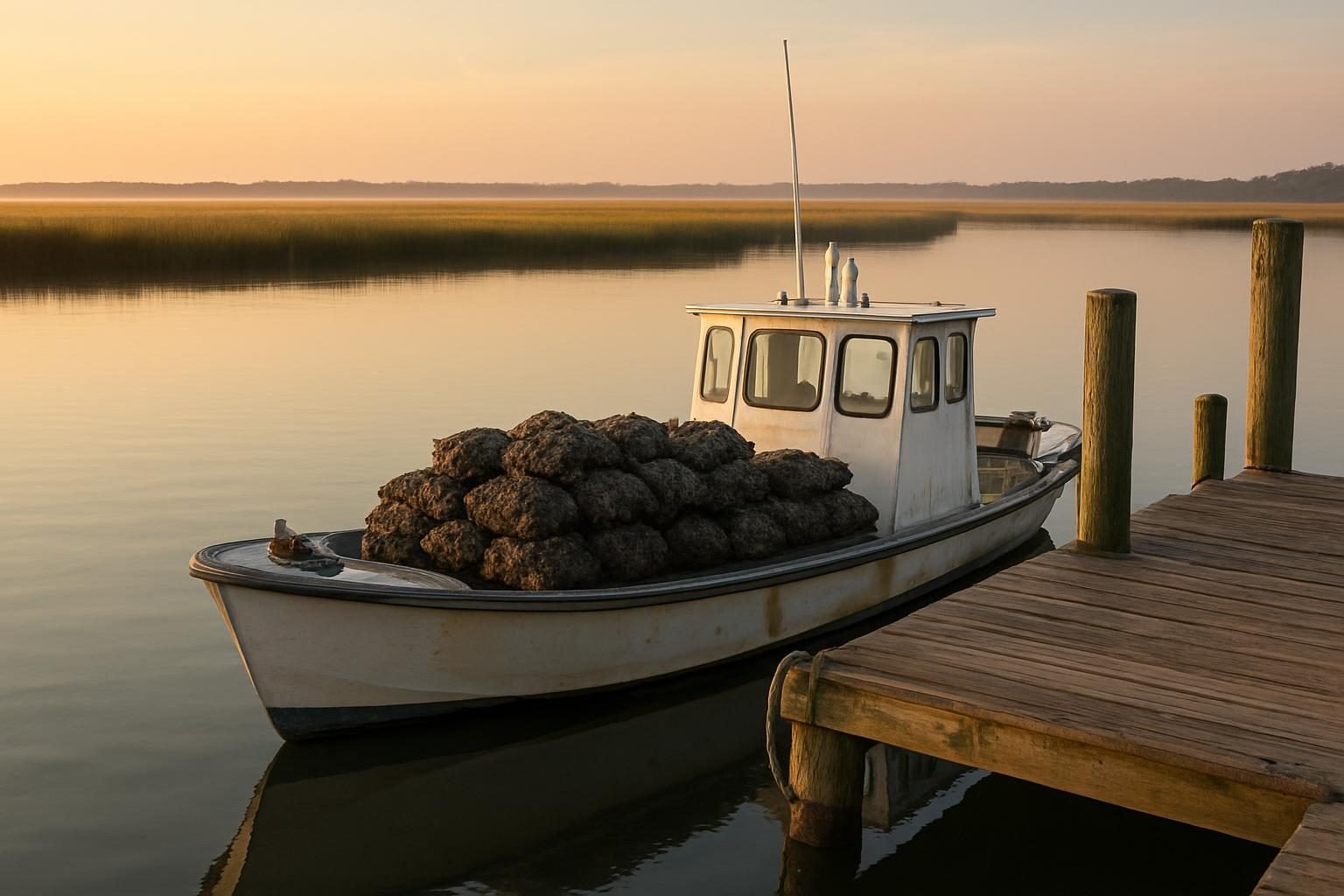
- Down East: Harkers Island, Marshallberg and the Core Sound communities are working-waterfront country, where the oysters often come from the water you’re looking at. Read more about Down East Carteret County.
What to order
- Raw on the half shell: Best with farmed or cold-season oysters. Squeeze of lemon, maybe a dash of hot sauce.
- Steamed: The classic Carteret County way. Served hot in a pile, with crackers, butter and cocktail sauce.
- Fried: Good with any size, and a forgiving choice if you’re not sure about raw.
- Roasted or grilled: Smoky, with the shells popped open over fire.
A cluster roast on a cold January afternoon is the oyster experience the Crystal Coast does best.
Where to Buy Oysters by the Bushel
A bushel is the standard unit for a roast. How many oysters that is depends on their size, but it’s a lot, so match it to your crowd. A common rule of thumb is a half bushel for a few people and a full bushel or more for a bigger gathering. Prices vary with season and supply, so ask before you commit.
Places to look:
- Seafood markets and fish houses: The most reliable source, especially in Morehead City, Beaufort and along the waterfront. Watch for our upcoming guide to the fish markets in Morehead City.
- Docks and working waterfronts: Down East communities and some commercial docks sell directly. Call first, since hours and stock shift.
- Farmers markets: Some vendors sell oysters in season. See our guide to Carteret County farmers markets.
- Grocery seafood counters: Handy for a dozen or two, though less likely to have bushels of local clusters.
For general buying habits, the Crystal Coast seafood guide explains how to shop like a local.
Can You Harvest Your Own?
Recreational harvest is allowed in some open areas, but it’s regulated. Rules cover licensing, daily limits, approved harvest areas and water-quality closures. Many areas close after heavy rain because runoff can contaminate shellfish.
- Check the current open and closed areas with the NC Division of Marine Fisheries.
- Confirm whether you need a license and what the daily limit is.
- Gather only from approved, open waters.
- Get them on ice or into a cool, shaded cooler right away.
If you’re new, buying from a licensed dealer is the safer route. They handle the paperwork and the water-quality checks for you.
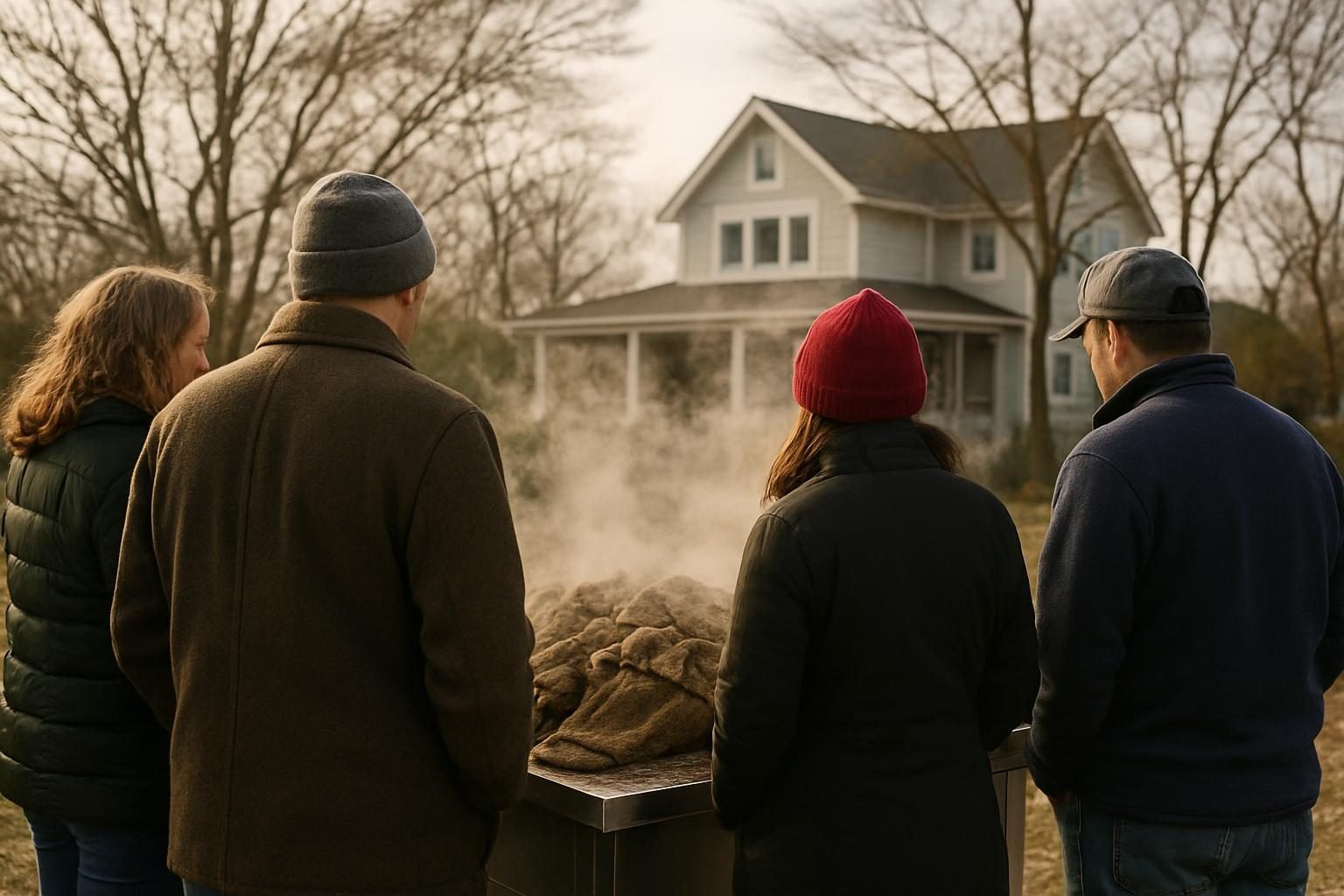
How to Host an Oyster Roast
A roast is as much a social event as a meal. Here’s the basic setup.
- Cooking surface: A steel sheet or heavy grate over a fire or propane burner.
- Method: Spread the oysters in a single layer, cover with wet burlap or a wet towel, and steam until the shells begin to open. Timing depends on your heat and the size of the oysters, so watch them rather than the clock.
- Serving: Dump them onto a table with a hole cut in the middle for the shells, or onto newspaper.
- Gear: Oyster knives, heavy gloves, a bucket for shells and plenty of paper towels.
- Sides: Saltines, melted butter, cocktail sauce, lemon, hot sauce and cold drinks.
Roasts are also a fixture of the cooler-weather social calendar. For what’s happening around the county, browse events and seasons, and watch for the NC Seafood Festival in Morehead City, where oysters usually turn up on the food list. Check official event pages for current dates.
Shucking and Safe Handling
Storage
- Keep oysters cold, ideally around 35 to 40 degrees F, in a cooler or refrigerator.
- Store them cup-side down, covered with a damp towel. Do not seal them in plastic or submerge in fresh water.
- Use them within a few days of purchase for best quality.
- Live oysters should have tightly closed shells, or close when tapped.
How to shuck
- Scrub the shells under cold running water.
- Wrap your hand in a thick towel or wear a shucking glove.
- Hold the oyster cup-side down, hinge toward you.
- Work the tip of an oyster knife into the hinge and twist until it pops.
- Slide the knife along the top shell to cut the muscle, then lift it off.
- Cut the lower muscle to free the oyster, keeping the liquor in the shell.
Local tip: Never aim the knife toward your palm. A slipped knife and a wet oyster are a good way to end up at urgent care. Use a real oyster knife with a guard, not a kitchen knife.
Food safety
- Discard: Any oyster that won’t close before cooking, or that doesn’t open after cooking.
- Smell and look: Fresh oysters smell like clean seawater. Sour or sulfurous means toss it.
- Raw oyster risk: Raw shellfish can carry bacteria, including Vibrio. People who are pregnant, immunocompromised, or who have liver disease should avoid them raw. Talk with your doctor if you’re unsure.
- Cooking: Steaming or frying fully reduces the risk.
FAQ
When is oyster season in Carteret County?
The traditional peak is October through March, when the water is cold and the meat is firmest. Farmed oysters extend availability, but wild harvest follows the state’s seasons and area closures, so check with the NC Division of Marine Fisheries.
Are oysters safe to eat in summer?
Oysters from licensed, reputable sources are regulated for safety year-round, but warm water raises bacterial risk for raw oysters and they tend to be thinner. Many locals prefer to eat them cooked in summer or wait for cooler months.
How many oysters are in a bushel?
It depends on size. A bushel typically holds enough for a small group to eat a good roast, but the count varies with whether they’re singles or clusters. Ask your seller for a rough estimate.
Can I pick oysters myself in Carteret County?
Sometimes, in approved open areas and within limits. Rules, licenses and closures change, so confirm with the NC Division of Marine Fisheries before gathering. Buying from a licensed dealer is simpler for first-timers.
How do I keep oysters fresh until the roast?
Keep them cold and alive, cup-side down under a damp towel, never in fresh water or sealed plastic. Use them within a few days and discard any that stay open or smell off.
For more on eating and cooking around the county, explore our Food & Drink section.